Understanding Mini Split Air Conditioners
As the climate continues to change, homeowners are increasingly looking for efficient and versatile cooling solutions. Among these options, the mini split of air conditioner stands out for its unique design and functionality. Unlike traditional air conditioning systems, mini splits offer a ductless solution that allows for flexible installation and energy-efficient operation, making them suitable for various living spaces.
What is a Mini Split of Air Conditioner?
A mini split air conditioner is a type of HVAC system that allows for both heating and cooling in a single unit. It consists of two primary components: an outdoor compressor unit and one or more indoor air-handling units. This design separates the system's heating and cooling functions, providing targeted climate control for specific areas of your home without the need for ductwork.
Originally designed for use in small spaces, mini splits have gained popularity due to their efficiency and effectiveness in both residential and commercial applications. The flexibility of installation—allowing for wall-mounted, ceiling-mounted, or floor-mounted indoor units—makes them ideal for a variety of settings, from apartments to large homes.
Key Components and Their Functions
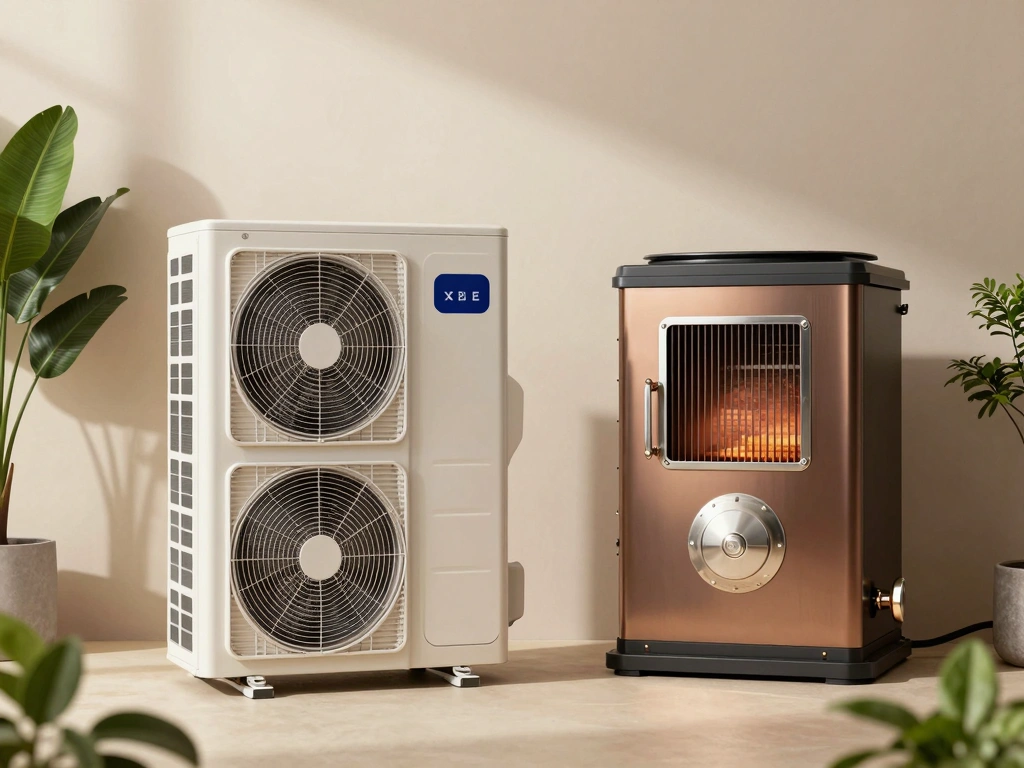
- Outdoor Unit: This unit houses the compressor and heat exchange coil and is responsible for circulating refrigerant between the indoor and outdoor parts of the system.
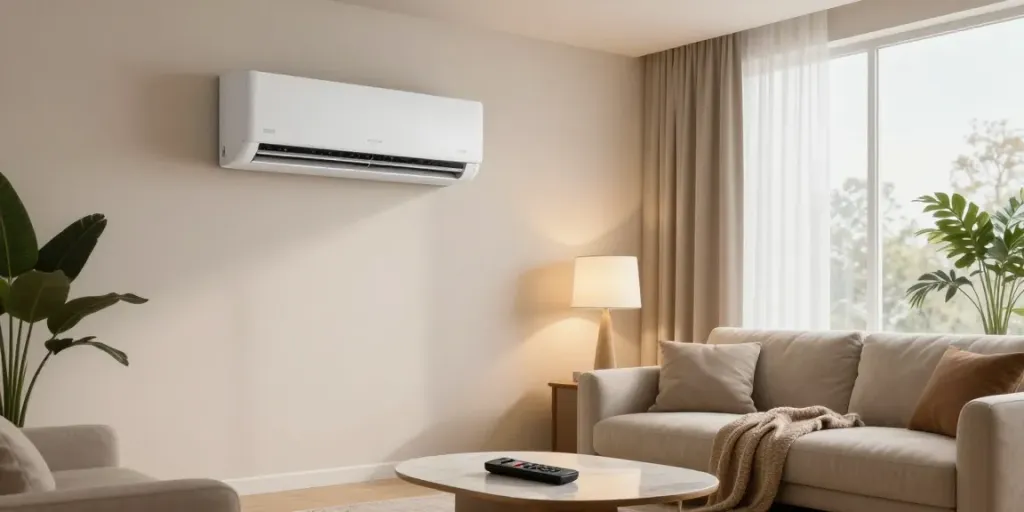
- Indoor Unit: This component contains a blower that distributes air throughout the room. It can be controlled independently to adjust the temperature as per the user’s preferences.
- Thermostat: Often integrated into the indoor unit, the thermostat allows users to set their desired temperatures and monitor energy usage.
- Refrigerant Lines: These insulated pipes carry refrigerant from the outdoor unit to the indoor units and back, enabling the heat exchange process necessary for cooling and heating.
Advantages of Mini Split Systems Over Traditional AC
Mini split systems offer numerous advantages compared to traditional air conditioning units:
- Energy Efficiency: Because mini splits are ductless, they avoid energy losses typically associated with ducted systems, making them more energy-efficient and cost-effective.
- Zone Control: Multiple indoor units can be controlled independently, allowing for customized temperature settings in different rooms or zones, which can lead to significant energy savings.
- Compact Design: Mini splits have a sleek and modern look, often blending seamlessly with home decor compared to bulkier window or central units.
- Quiet Operation: These systems operate much more quietly than traditional AC units, making them ideal for bedrooms and other quiet spaces.
Installation Guide for Mini Split Air Conditioners
Installing a mini split air conditioner requires careful planning and execution to ensure optimal performance. Here are some guidelines to help you through the process.
Choosing the Right Location for Installation
The first step in installing a mini split system is selecting the appropriate location for both the indoor and outdoor units. Consider the following tips:
- Select a location for the indoor unit that allows for efficient air circulation and is not obstructed by furniture or other items.
- Ensure the outdoor unit is placed in a well-ventilated area away from direct sunlight, which can increase energy consumption.
- Take into account the distance between the indoor and outdoor units, as longer distances may require additional refrigerant line insulation.
Step-by-Step Installation Process
- Prepare the Site: Clear the area where the indoor and outdoor units will be installed.
- Mount the Indoor Unit: Use a mounting bracket to secure the indoor unit to the wall, ensuring it is level.
- Install the Outdoor Unit: Place the outdoor unit on a stable surface, such as a concrete pad or mounting brackets.
- Connect Refrigerant Lines: Run the refrigerant lines from the indoor unit through the wall to the outdoor unit, ensuring all connections are tight and secure.
- Electrical Connections: Connect the electrical wiring according to the manufacturer's instructions, ensuring safety protocols are followed.
- Test the System: Once everything is connected, test the system to ensure it is operating properly and efficiently.
Common Installation Mistakes to Avoid
To avoid complications during installation, keep an eye out for these common pitfalls:
- Improper sizing of the unit can lead to inefficiency; always consult with a professional to determine the correct capacity for your space.
- Neglecting insulation on refrigerant lines can result in energy loss and reduced efficiency.
- Failing to securely mount the outdoor unit can lead to vibrations and noise issues during operation.
Optimizing Your Mini Split Air Conditioner for Efficiency
After installation, it’s essential to optimize your mini split system to ensure it runs efficiently and effectively. Here’s how:
Energy-Saving Settings and Features
Many modern mini splits come equipped with energy-saving features, such as:
- Smart Thermostats: These allow for programmable settings so you can adjust the temperature based on your schedule.
- Variable Speed Compressors: These adjust their output based on cooling demand, leading to less energy consumption.
- Sleep Modes: Many units have a sleep mode that gradually adjusts the temperature during night hours for comfort and efficiency.
Regular Maintenance Tips for Longevity
To prolong the life of your mini split system, consider the following maintenance tips:
- Regularly clean or replace air filters to maintain airflow and efficiency.
- Schedule professional maintenance at least once a year to ensure all components are functioning correctly.
- Keep the outdoor unit clear of debris, such as leaves and dirt, to prevent airflow obstruction.
Troubleshooting Common Issues
Understanding common issues can help you troubleshoot before calling for professional help:
- If the system isn’t cooling effectively, check the filters for clogs or the refrigerant levels for leaks.
- Noisy operation may indicate loose components; check for secure fittings and mounts.
- Inconsistent temperatures can often be traced back to improperly configured settings or sensor issues.
Cost Considerations for Mini Split Air Conditioners
When considering a mini split air conditioner, it’s crucial to evaluate both the initial investment and long-term savings. Here’s a breakdown of what to consider:
Initial Investment vs. Long-Term Savings
Although the upfront cost for a mini split system may be higher than traditional systems, its energy efficiency often leads to significant savings on utility bills over time. Homeowners can expect:
- Lower monthly energy bills due to the targeted heating and cooling provided by mini splits.
- Potential increases in home value thanks to modern energy-efficient upgrades.
- Tax rebates or incentives in some areas for the installation of energy-efficient systems.
Factors Influencing Installation Costs
Several factors can influence the total cost of installing a mini split system:
- The number of indoor units required will directly impact both the purchase price and installation labor costs.
- Installation complexity can vary depending on the layout of your home and distance between indoor and outdoor units.
- Regional labor costs and the availability of qualified HVAC technicians may also affect the final price.
Financial Incentives and Rebates for Energy Efficiency
Many governments and utility companies offer financial incentives for purchasing energy-efficient appliances. Research local programs to take advantage of:
- Tax credits for energy-efficient upgrades
- Utility rebates for reducing overall energy consumption
- Low-interest financing options for qualified installations
Future Trends in Mini Split Air Conditioning Technology
The mini split air conditioning market is evolving rapidly, with new technologies emerging to improve efficiency and user experience. Here are some key trends to watch:
Innovations in Energy Efficiency for 2026
As companies strive to create more energy-efficient systems, expect to see:
- Enhanced inverter technology that allows for even greater energy savings.
- Improvements in refrigerant technology that reduce environmental impact without sacrificing efficiency.
- Systems designed for specific climates and conditions, optimizing performance based on geographical demands.
Smart Technology Integration in Mini Splits
As smart home technology continues to proliferate, mini splits will likely see more integration, including:
- Wi-Fi connectivity for remote control and monitoring through smartphone apps.
- Voice command compatibility with home assistants, simplifying temperature adjustments.
- AI-driven systems that learn homeowner preferences to optimize settings automatically.
Environmental Considerations and Sustainable Practices
With an increasing focus on sustainability, expect mini split manufacturers to adopt greener practices, such as:
- Using recyclable materials in the manufacturing process.
- Implementing more sustainable refrigerants that minimize ozone depletion and global warming potential.
- Offering systems that can integrate with renewable energy sources, like solar panels, for an even lower carbon footprint.