Understanding Smart Home Technology
Smart home technology has become increasingly prevalent in recent years, revolutionizing how we interact with our living spaces. Home automation systems provide convenience, security, and energy efficiency, making daily tasks simpler and enhancing overall quality of life. As consumer awareness grows, so does the demand for comprehensive solutions, leading to innovations in smart devices and their applications. For those considering a transition to a smart home, exploring options like خانه هوشمند جهان اسمارت can provide invaluable insights into the benefits and features available.
What is Smart Home Technology?
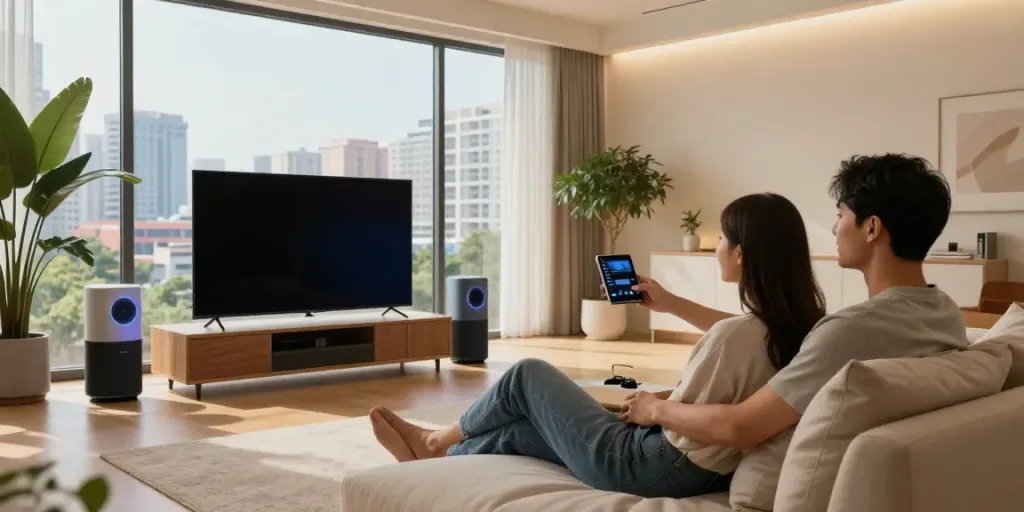
Smart home technology refers to a suite of devices and systems that enable homeowners to control and automate various household functions from a centralized platform, typically via a smartphone or a smart hub. These functions can include lighting, heating, security systems, and even household appliances. The integration of the Internet of Things (IoT) plays a crucial role in this technology, allowing devices to communicate with each other and with users remotely.
Benefits of Implementing خانه هوشمند جهان اسمارت Solutions
- Increased Convenience: With smart home systems, users can manage their homes from anywhere, eliminating the need to be physically present to operate devices.
- Enhanced Security: Smart locks, cameras, and sensors improve home security and provide peace of mind by allowing remote monitoring and alerts.
- Energy Efficiency: Smart thermostats and lighting systems can optimize energy use, leading to lower utility bills and a reduced carbon footprint.
- Customizable Environments: Homeowners can create specific settings for different times of day or activities, enhancing comfort and efficiency.
Common Misconceptions About Smart Homes
Despite the advantages, several misconceptions about smart home technology persist. Many believe that these systems are overly complicated to install and use, but advancements in user-friendly interfaces have made them accessible to a wider audience. Additionally, concerns about privacy and security are legitimate but can be effectively managed through proper system setup and regular updates.
Choosing the Right Smart Devices
As you consider integrating smart devices into your home, evaluating your specific needs is crucial. Whether you are interested in security, convenience, or energy management, the options are vast. The range of devices available can be overwhelming; however, focusing on the essentials can streamline the selection process. Prioritize devices that best address your lifestyle and budget while ensuring compatibility with existing systems.
Evaluating Your Home’s Needs for Smart Technology
Start by assessing which areas of your home could benefit most from automation. Common categories include:
- Security: Smart locks, cameras, and alarms.
- Energy Management: Smart thermostats, lights, and appliances.
- Convenience: Voice assistants, smart speakers, and home hubs.
Identifying your main priorities will help you choose the right technology that fits your needs.
Top Brands and Products in the خانه هوشمند جهان اسمارت Market
Several reputable brands offer a wide array of smart home devices. Notable names include:
- Bosch: Known for its reliable smart locks and security solutions.
- Tuya: Offers versatile smart plugs, lights, and home automation solutions.
- Akuvox: Specializes in smart intercom systems and access control.
- Benica: Provides an extensive selection of smart lighting and switches.
Researching and comparing products from these brands can help you make informed decisions that align with your smart home objectives.
How to Compare Smart Devices Effectively
When comparing smart devices, consider factors such as compatibility with existing systems, ease of installation, user reviews, and after-sales support. Look for devices that offer robust features while maintaining simplicity in usage. Additionally, it’s beneficial to examine warranty and customer support options provided by manufacturers to ensure long-term satisfaction.
Installation and Setup Best Practices
Once you have selected your devices, the installation process becomes paramount to the smooth operation of your smart home. Proper setup is essential to ensure devices function correctly and communicate seamlessly. Follow manufacturer guidelines and consider professional installation if the setup seems complex.
Steps for Seamless Integration of خانه هوشمند جهان اسمارت Solutions
- Read the Manuals: Always start with the manufacturer's instructions for setup.
- Check Compatibility: Ensure that all devices are compatible with your smart hub or smartphone app.
- Establish a Network: A robust Wi-Fi connection is critical for device functionality. Consider upgrading your router if necessary.
- Test Each Device: Before finalizing placement, test each device to ensure they connect properly and function as expected.
Common Installation Challenges and How to Overcome Them
During installation, you may face issues such as connectivity problems or device incompatibility. To troubleshoot, first check your Wi-Fi signal strength and ensure all devices are within range. Consulting online forums or the manufacturer's customer support can provide additional guidance.
Tips for Optimizing Your Smart Home Network
To achieve the best performance from your smart home devices, consider the following tips:
- Upgrade Your Router: A high-quality router can improve connectivity and device communication.
- Use a Mesh Network: For larger homes, a mesh network can extend Wi-Fi coverage to all areas.
- Separate Networks: If possible, create separate networks for smart devices and personal devices for enhanced security.
Maintaining Your Smart Home
Regular maintenance of smart devices is essential to ensure ongoing functionality and security. Just as you would maintain traditional appliances, smart devices require attention to keep them operating effectively.
Regular Maintenance for Smart Home Devices
Routine checks can help identify potential issues before they become major problems. Ensure that devices are clean, software is updated, and batteries are replaced as necessary. Regularly monitoring device performance can prolong their lifespan and efficiency.
Updating Software and Security Features
Software updates often include critical security patches and new features. Make it a habit to check for updates regularly and install them promptly to protect your home from vulnerabilities.
Customer Support and Warranty Considerations
Understanding the warranty and customer support services associated with your smart home products is crucial. Be aware of what is covered under warranty and the process to follow in case of issues. Good customer support can save you time and frustration in the long run.
Future Trends in Smart Home Technology
The landscape of smart home technology is continuously evolving. Staying informed about the latest trends can help you take advantage of new innovations and improvements in the field.
Emerging Technologies for 2026 and Beyond
Expect to see greater integration of artificial intelligence (AI) in smart home devices. AI can enhance functionality, allowing for personalized experiences and improved automation. Enhanced connectivity options such as 5G may also offer faster and more reliable communication between devices.
Sustainability and Smart Homes: A Growing Trend
As environmental awareness increases, many are turning to smart home technologies that promote sustainability. Devices that optimize energy use, such as smart thermostats and energy-efficient appliances, will be increasingly popular.
Predictions for the Evolution of خانه هوشمند جهان اسمارت Solutions
Looking ahead, we anticipate that the market for smart home technologies will grow significantly, with advancements in device integration, user-friendly interfaces, and enhanced security features. Companies focusing on innovation and customer satisfaction will likely emerge as leaders in the industry.