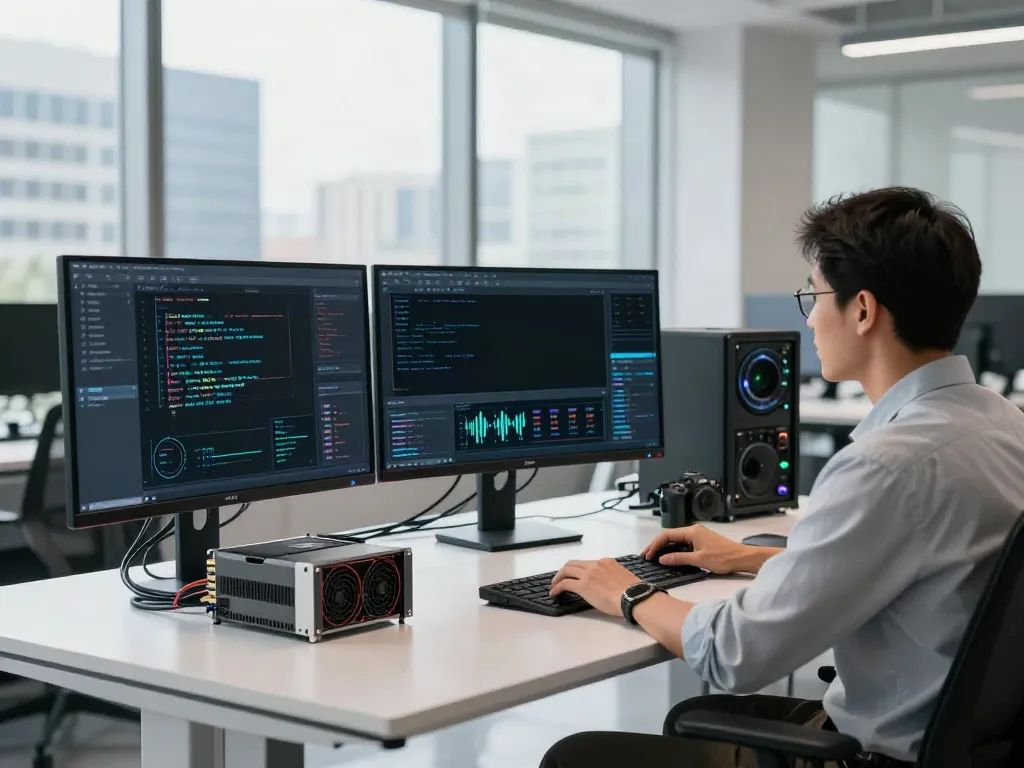
Understanding AI Infrastructure
As the convergence of artificial intelligence (AI) and infrastructure evolves, understanding the components that comprise AI infrastructure is pivotal for businesses and individuals looking to harness its potential. At its core, AI infrastructure includes the hardware, software, and network resources necessary for developing, deploying, and managing AI applications. With an increasing push towards AI-driven processes, the necessity for robust and efficient AI infrastructure has never been more pronounced. By participating in this arena, stakeholders can leverage the immense advantages that come with AI capabilities while contributing to a sustainable future.
What is AI Infrastructure?
AI infrastructure serves as the backbone for AI technologies, facilitating everything from data processing to algorithm execution. It encompasses physical elements like servers, storage devices, GPUs, and networking hardware, as well as software platforms for managing AI models and workflows. Key characteristics include:
- High Processing Power: AI models, especially those based on deep learning, require significant computational resources that can only be handled by high-performance GPUs.
- Scalable Storage Solutions: AI operations generate vast amounts of data. Thus, having scalable storage that can efficiently handle this data surge is crucial.
- Network Reliability: For distributed AI applications, consistent and high-speed network connections are essential to ensure seamless data flow and processing.
Key Components of AI Infrastructure
Building a robust AI infrastructure involves integrating multiple components that work cohesively. Here are the essential elements:
- Hardware: This includes powerful CPUs and GPUs, as well as specialized AI chips that can accelerate AI workloads.
- Software Frameworks: AI frameworks like TensorFlow, PyTorch, and Apache MXNet offer the tools needed to build, train, and deploy AI models.
- Data Management Tools: Effective data management is critical in AI. Solutions must provide ways to collect, store, and process data while ensuring quality and integrity.
- Cloud Infrastructure: Many organizations depend on cloud services to scale their AI workloads flexibly. Providers such as AWS, Azure, and Google Cloud offer extensive tools tailored for AI applications.
How AI Infrastructure Supports Token Economies
Token economies rely on the orchestration of resources and technologies to reward various contributors based on their input. AI infrastructures play a crucial role in this ecosystem by providing the computational power and storage needed for token-related transactions and operations. Each AI operation, whether it's training a model or running an inference, consumes computational resources that can be measured and tokenized. This creates a cycle where data processed through these infrastructures generates tokens that can be used, traded, or rewarded, encouraging further participation.
Participating in the AI Token Economy
The AI Token Economy is a novel way of incentivizing individuals and organizations to contribute to the growing requirements of AI infrastructure. By engaging in platforms like 51 AIpower, participants can become integral players in this transformative economy.
Benefits of Joining 51 AIpower
Choosing to participate in 51 AIpower offers several advantages:
- Financial Incentives: Participants can earn rewards based on their power contributions, aligning financial benefits with the operational demands of AI infrastructures.
- Access to Data-Driven Insights: By participating, users gain insights into their energy contributions and the performance of AI workloads, enabling better decision-making.
- Community Participation: Being part of a larger network fosters collaboration and knowledge sharing among participants, thereby enhancing the ecosystem as a whole.
Your Role in the AI Infrastructure
Every participant has a unique role in supporting the infrastructure. Whether you're providing electricity, data, or computational resources, your contribution helps maintain the AI ecosystem's efficiency. This collaborative model underpins the functionality of AI token economies and drives their sustainability.
How Rewards are Calculated in AI Token Systems
Rewards in AI token systems are typically calculated based on several factors:
- Power Contribution: Your share of the total power used within the AI infrastructure will directly affect your reward.
- Operating Performance: Actual performance metrics of AI workloads can impact the value of tokens generated during operation.
- Market Demand: Fluctuations in the demand for AI services can also influence the amount of rewards distributed among participants.
Choosing the Right AI Infrastructure Power Plan
To excel in the AI Token Economy, selecting a suitable power plan is pivotal. Each plan is tailored to different usage levels, making it essential to align your choice with your intended participation.
Overview of Available Power Plans
51 AIpower offers several power plans designed to meet varying needs:
- Core Power Access: Ideal for entry-level participants looking to support minimal AI workloads.
- Enhanced Power Access: Suitable for users needing additional capacity and reliability for their contributions.
- Advanced Power Access: Targets businesses with significant AI workloads requiring high-performance energy support.
Factors to Consider When Selecting a Plan
When choosing a power plan, consider the following:
- Your Energy Needs: Assess how much power you will contribute and consume.
- Cost Efficiency: Compare the costs associated with each plan to find one that offers the best value for your requirements.
- Duration of Participation: Consider how long you intend to engage in the AI Token Economy, influencing which plan may suit your needs.
Understanding Power Contribution and Rewards
Grasping how your power contributions translate into rewards is crucial for maximizing your involvement. Make sure to routinely monitor your usage and the corresponding rewards to optimize your participation.
Building Scalable AI Infrastructure
As demand for AI services grows, so does the need for scalable infrastructure. Building an adaptable and efficient AI infrastructure allows organizations to keep pace with emerging technologies and market demands.
Strategies for Optimizing GPU Performance
Maximizing GPU performance is essential for effective AI workloads. Here are several strategies:
- Load Balancing: Distributing workloads evenly across multiple GPUs ensures that no single unit is overloaded, optimizing overall performance.
- Regular Maintenance: Keeping GPU hardware up to date and maintained can prevent downtime and performance bottlenecks.
- Utilizing Cloud Solutions: Leveraging cloud-based GPUs can provide scalable options that adapt to fluctuating demands.
The Importance of Reliable Power in AI Operations
Reliable power is essential in AI operations to prevent interruptions in processing and ensure continuous availability of services. Organizations must ensure their power solutions are resilient, adaptable, and capable of meeting peak demands.
Future Trends in AI Infrastructure Scaling
As we look ahead, several trends are shaping the future of AI infrastructure:
- Increased Cloud Adoption: More businesses will turn to cloud solutions for flexible scaling.
- Energy Efficiency Initiatives: The drive towards greener and more efficient energy sources will take precedence in infrastructure strategies.
- Decentralized Participation: Platforms like 51 AIpower will allow more individuals to contribute to and benefit from AI resources.
Frequently Asked Questions about AI Infrastructure
As the landscape of AI infrastructure evolves, numerous questions arise, especially for newcomers. Here are some frequently asked questions:
What Powers the AI Token Economy?
The AI Token Economy is powered by the collaboration of electricity providers, data contributors, and computational resource owners, creating a self-sustaining ecosystem that rewards participation.
Who Can Participate in 51 AIpower Plans?
Participation in 51 AIpower plans is open to individuals and organizations that meet the eligibility criteria and have an interest in contributing to the AI infrastructure.
How Are AI Contribution Rewards Calculated?
Rewards are calculated based on the participant's power contributions and the performance of the related AI workloads they support.
What Happens After My Plan Ends?
Once your plan term ends, a final evaluation of your contributions and rewards will take place. You will have options to renew or modify your participation.
How Does Electricity Support AI Token Services?
Electricity is fundamental to AI services as it powers the high-performance GPUs required for processing AI workloads and running applications effectively.