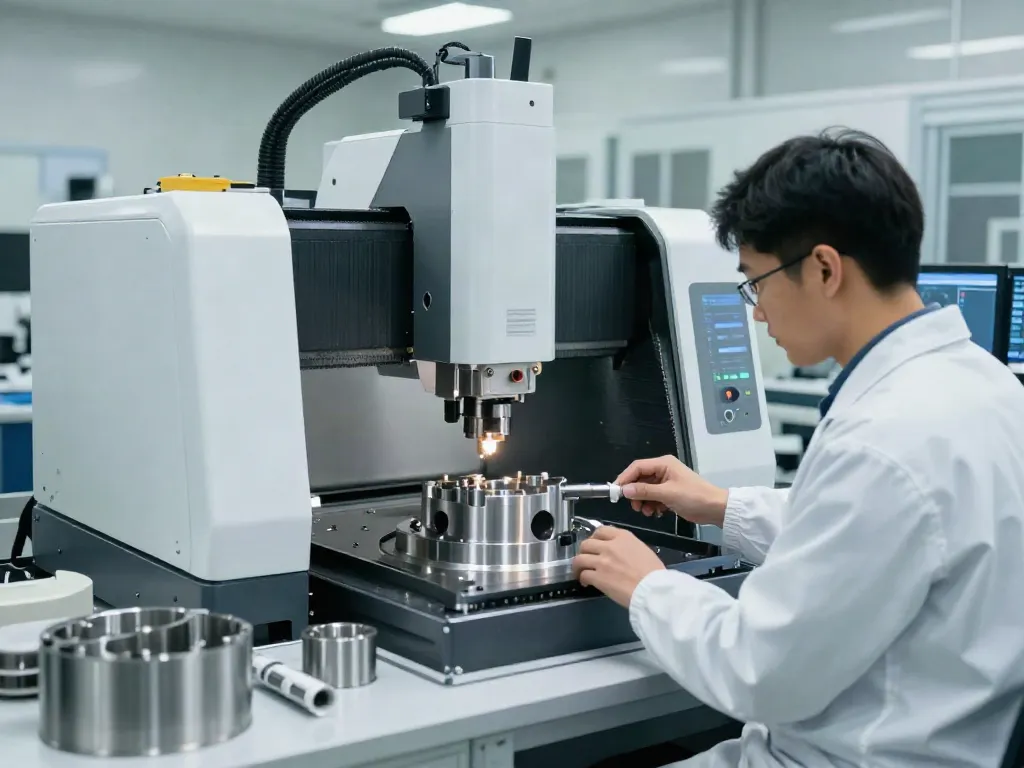
The Role of CNC Machining in Aerospace Manufacturing
CNC (Computer Numerical Control) machining has revolutionized the manufacturing landscape, particularly within the aerospace industry. As one of the most demanding sectors, aerospace requires high levels of precision, reliability, and efficiency. CNC machining services, like those offered by leading aerospace cnc parts manufacturers, play a critical role in meeting these requirements. By utilizing advanced technology and precise engineering, CNC machining enables the development of complex aerospace components that adhere to stringent industry standards.
Understanding Aerospace Industry Requirements
The aerospace industry encompasses a wide range of components, from simple parts to complex systems used in aircraft, spacecraft, and satellites. The industry mandates stringent regulations to ensure safety, reliability, and performance capabilities. As such, manufacturers must ensure that their CNC machining processes can accommodate diverse materials and complex geometries while maintaining precision. Compliance with standards such as ISO 9001 and AS9100 is essential for credibility in this high-stakes environment.
Advantages of CNC Machining for Aerospace Parts
- High Precision: CNC machines can achieve tolerances of up to ±0.001 inches, which is crucial for aerospace components that must fit together seamlessly.
- Consistency: Automated processes ensure that each part manufactured is identical, reducing the possibility of human error.
- Complex Geometries: CNC technology can produce intricate designs that may be impossible to achieve with manual machining.
- Rapid Prototyping: CNC machining allows for quick turnaround times on prototypes, enabling faster design iterations and testing.
Case Studies: Successful CNC Implementations
Several aerospace companies have successfully integrated CNC machining into their manufacturing processes. For instance, Boeing utilizes CNC machining for components in the 787 Dreamliner. The precision and efficiency achieved through CNC technology have allowed Boeing to streamline operations and reduce lead times while ensuring compliance with industry standards. Similarly, Airbus has employed CNC machining for complex structural components, demonstrating significant improvements in production efficiency and part quality.
Material Selection for Aerospace CNC Parts
Commonly Used Metal Materials in Aerospace
Metal materials are frequently used in aerospace manufacturing due to their strength-to-weight ratios and durability. Common metals include:
- Aluminum Alloys: Lightweight and corrosion-resistant, aluminum is commonly used for aircraft frames.
- Titanium: Known for its high strength and resistance to extreme temperatures, titanium is often used in engine components.
- Stainless Steel: Offers excellent corrosion resistance and strength, making it suitable for various applications.
Optimal Plastic Materials for CNC Machining
Alongside metals, certain plastic materials are also essential in aerospace applications:
- Polyetheretherketone (PEEK): A high-performance polymer that can withstand high temperatures and harsh conditions.
- Polycarbonate (PC): Known for its impact resistance and transparency, used in cabin components.
- Polyamide (PA): Offers great durability and is used in various fittings and housings.
Comparative Analysis of Material Performance
When selecting materials for aerospace applications, a comparative analysis of performance characteristics, cost, and machinability is crucial. For instance, while titanium boasts unparalleled strength, its higher cost and more complex machining requirements make it less favorable for certain applications compared to aluminum. Conversely, plastics may offer advantages in weight and cost savings. Understanding the specific requirements of each part will guide manufacturers in material selection.
Quality Control in Aerospace CNC Machining
Industry Standards and Certifications
The aerospace industry is governed by strict quality control measures to ensure safety and performance. Certifications such as AS9100 and ISO 9001 are vital, serving as benchmarks for manufacturers to ensure that their processes meet the required quality standards. Adhering to these standards is essential not only for compliance but also for maintaining credibility in the market.
Methods for Ensuring Precision and Quality
To maintain quality and precision in CNC machining, manufacturers employ various techniques:
- Quality Assurance Testing: Regularly scheduled tests of the CNC machines to verify operational accuracy.
- Calibration: Frequent calibration of equipment to ensure consistent results.
- Visual Inspections: Manual inspections after production to check for any visible defects.
Real-time Monitoring and Machine Learning Integration
As technology evolves, integrating machine learning with CNC machinery is becoming increasingly popular. This approach enables real-time monitoring of machine performance, leading to proactive maintenance and greater efficiency. By analyzing production data, manufacturers can identify potential issues and minimize downtime, ensuring that quality standards are consistently met.
Cost Optimization Strategies in CNC Manufacturing
Balancing Quality and Production Costs
Cost optimization is a key factor in CNC manufacturing without compromising quality. Strategies include selecting the right materials that provide the best value, investing in advanced CNC technologies that enhance efficiency, and implementing lean manufacturing principles that reduce waste. By focusing on these areas, manufacturers can effectively balance quality with cost.
Innovative Techniques for Streamlining Production
Streamlining production processes can lead to significant cost savings. Techniques such as just-in-time manufacturing reduce inventory costs and improve cash flow. Furthermore, automating repetitive tasks can minimize labor costs and free up skilled workers for more complex assembly tasks. Techniques such as utilizing simulation software for CNC programming can also reduce errors in the machining process.
Vendor Management and Relationship Building
Developing strong partnerships with suppliers is crucial for effective cost management. By engaging in strategic vendor relationships, manufacturers can negotiate better pricing, ensure consistent material quality, and improve supply chain logistics. Long-term partnerships can lead to bulk buying opportunities and foster collaboration for innovative solutions in manufacturing processes.
Future Trends in Aerospace CNC Machining
Emerging Technologies Shaping the Future
The future of CNC machining in aerospace lies in the integration of several emerging technologies. Additive manufacturing, commonly known as 3D printing, is being explored alongside traditional CNC processes to create components with complex geometries that would be difficult to machine. This hybrid approach could allow for more innovative designs while maintaining the necessary mechanical properties.
AI and Machine Learning in Aerospace Manufacturing
Artificial intelligence (AI) and machine learning are set to transform aerospace manufacturing by enabling predictive maintenance, optimizing machining operations, and enhancing design processes. By leveraging data analytics, manufacturers can gain insights into production efficiencies and potentially integrate autonomous machining systems that adapt in real-time to varying conditions.
Preparing for Industry Changes and Adaptation
To stay competitive in the fast-evolving aerospace sector, companies must remain agile and be willing to adapt to new technologies and methods. Continuous training and upskilling of the workforce is essential to ensure that employees can operate advanced machinery and utilize new software solutions effectively. Additionally, being responsive to industry trends and customer needs will position manufacturers favorably for future growth.
FAQs on CNC Machining in Aerospace
How to Choose a CNC Machining Partner?
Selecting the right CNC machining partner involves evaluating their credentials, experience, and technologies used. Assessing their quality control processes and industry certifications can provide insight into their reliability and commitment to excellence.
What Are the Key Benefits of CNC Machining?
The key benefits of CNC machining include enhanced precision, greater efficiency, reduced waste, and the ability to produce complex geometries. These advantages are particularly important within the aerospace industry, where part performance is critical.
How Do Rapid Prototyping Services Work?
Rapid prototyping services utilize CNC machining to quickly create prototypes based on 3D CAD models. This allows manufacturers to test and iterate designs before mass production, significantly reducing time-to-market and improving product outcomes.