Understanding Automatic Bagging Machines
Automatic bagging machines represent a revolutionary advancement in the packaging industry. Designed to streamline the packaging process, these machines offer precision, speed, and efficiency across a variety of sectors. Manufacturers globally recognize the value of high-quality packaging as a crucial element in supply chain management, thus opting for automated solutions to enhance their productivity. In 2026, the market for automatic bagging machine manufacturers continues to expand, driven by innovations in technology and increased demand for packaged goods.
What Are Automatic Bagging Machines?
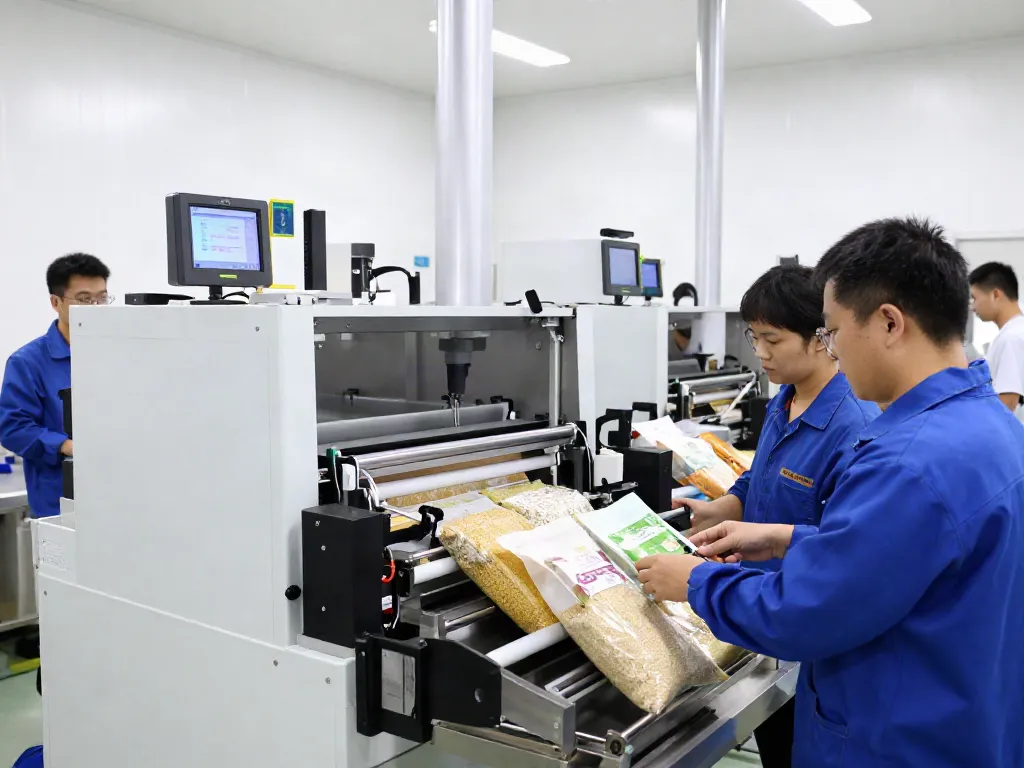
Automatic bagging machines are specialized devices designed to efficiently package products into bags. They perform a range of functions that include bag forming, filling, and sealing, all of which contribute to a faster and more accurate packing process. The machinery typically integrates various technologies, ensuring a seamless flow from one step to the next. As industries such as food, pharmaceuticals, and consumer goods require packaging solutions that minimize manual intervention, the reliance on automatic bagging machines has surged.
Key Components and Their Functions
Understanding the core components of automatic bagging machines is essential to grasping how they operate. Here are the key elements:
- Bag Magazine: Holds a stack of bags that will be used for packaging. It enables the machine to operate continuously without frequent manual loading.
- Bag Former: Shapes and opens the bags before filling. This component ensures that the bags are ready for the subsequent filling process.
- Filling System: Dispenses the product into the bags. This can be done using various methods such as gravity feeds, augers, or pumps, depending on the product type.
- Sealing Unit: Closes the bag securely to prevent leakage or contamination. Common sealing methods include heat sealing and cold sealing.
- Control System: The user interface that allows operators to set parameters, monitor progress, and troubleshoot issues. Modern machines often feature touch screens for intuitive control.
Benefits of Utilizing Automatic Bagging Machines
Investing in automatic bagging machines can yield numerous advantages for manufacturers:
- Increased Productivity: These machines significantly reduce packaging time compared to manual methods, allowing businesses to package more products in less time.
- Consistency and Accuracy: Automation minimizes human errors, ensuring each bag is filled to the correct weight and sealed properly.
- Cost Efficiency: By reducing labor costs and minimizing waste, companies can optimize their packaging expenditures.
- Versatility: Capable of handling various products—dry goods, liquids, powders—automatic bagging machines can adapt to a wide range of packaging requirements.
- Simplified Operations: With user-friendly interfaces, operators can swiftly adjust settings, troubleshoot, and maintain machine performance without extensive training.
Top Automatic Bagging Machine Manufacturers in 2026
Leading Brands and Their Innovations
As the demand for automatic bagging machines continues to grow, several manufacturers have stood out for their innovative contributions to the industry. Companies like Pregis, Autobag, and Concetti are at the forefront, consistently pushing the boundaries of what automated packaging solutions can achieve. These brands focus on enhancing their machines' capabilities by incorporating features like smart technology, which allows for remote monitoring and operation.
Comparative Review of Functionality and Features
When evaluating automatic bagging machines, it’s important to consider functionality and features:
- Speed: Some models can package products at rates exceeding 100 bags per minute, making them suitable for high-volume operations.
- Integration: Machines that easily integrate with existing production lines can significantly reduce installation and transition times.
- Customizability: The ability to adjust machine settings to accommodate different bag sizes or weights enhances operational flexibility.
- Maintenance: Manufacturers that offer robust maintenance support and accessible replacement parts can significantly reduce downtime.
Market Leaders in Specialized Bagging Solutions
In specialized scenarios, certain manufacturers excel by offering tailored solutions. For instance, companies focused on the food and pharmaceutical sectors prioritize hygiene and compliance, offering machines with advanced sanitization features. Others may focus on sustainable packaging solutions, creating machines designed to work with biodegradable materials.
Applications Across Industries
Food Industry: Safe and Efficient Packaging
The food industry is one of the largest users of automatic bagging machines. These machines ensure safe packaging that meets regulatory standards while maintaining product integrity. High-speed bagging systems allow for the quick handling of perishable goods, minimizing spoilage and waste.
Pharmaceuticals: Precision and Compliance
In pharmaceuticals, precision is paramount. Automatic bagging machines designed for this sector must comply with strict regulations regarding hygiene and accuracy. They are equipped with features such as checkweighers to ensure that dosage is consistent and meets health regulations.
Consumer Goods: Versatility in Packaging
The versatility of automatic bagging machines makes them an essential tool in the consumer goods sector. From packaging detergents to toys, these machines provide the adaptability to handle a variety of materials and packaging requirements, allowing for seamless operations across diverse product lines.
Challenges Faced by Manufacturers
Adapting to Changing Market Demands
As consumer preferences shift toward sustainability and eco-friendly packaging, manufacturers face the challenge of adapting their products to meet these demands. This requires not only innovation in machine design but also sourcing materials that align with these new standards.
Overcoming Technical Challenges
With advancements in technology come complexities that need to be addressed. Manufacturers must navigate issues such as software integration, machine calibration, and maintenance protocols to prevent downtime and ensure smooth operations.
Regulatory Compliance and Standards
Meeting industry regulations is a persistent challenge for manufacturers of automatic bagging machines, particularly in sensitive sectors like food and pharmaceuticals. Staying ahead of compliance requirements necessitates continuous research and development, creating an environment of constant improvement.
Future Trends in Automatic Bagging Technology
Emerging Technologies and Innovations
The future of automatic bagging technology is poised to incorporate advancements such as artificial intelligence and machine learning. These technologies can enhance predictive maintenance, allowing machines to self-diagnose issues before they lead to operational failures.
Sustainable Practices in Packaging
With a growing emphasis on sustainability, manufacturers are increasingly focused on developing machines that can use recyclable materials. The integration of biodegradable bags and sustainable packaging solutions will likely become a key feature in future models.
Predictions for the 2027 Market Landscape
Looking ahead to 2027, the market for automatic bagging machines is expected to expand significantly. This growth will be driven by innovations that prioritize efficiency, sustainability, and adaptability to emerging market needs. Companies that embrace these trends will likely emerge as leaders in the industry, setting the standard for what automatic bagging machines can achieve.